

Video games have played a huge role in my life. Ever since I was a little kid running around with a Gameboy Advance (which I still own, and which still works), I’ve loved getting immersed in game worlds, whether it was the beautiful sumi-E universe of Okami, or the vast cavernous depths of Hollow Knight. My dream career is centered around video games, and I recently discovered that video game UX/UI is a pretty big deal.
This week, I conducted an analysis of two mobile video games that I frequently play and enjoy – Genshin Impact and Honkai: Star Rail. My main objective was to gauge my emotional responses to both games holistically, while analyzing my user psychology. I specifically targeted the user experience (UX) and user interface (UI).
Methodology
To aid me in this endeavor, I utilized the following Feel-Needs statement structure which allowed me to clearly articulate my emotional responses to each element I identified:
- _______ makes me feel _______ because my need for _______ is met/not met.
Alongside this statement , I made use of a list curated by The Center for Nonviolent Communication (CNVC) that contains an extensive inventory of needs and feelings vocabulary.
Background Information
Genshin Impact
The first game I analyzed, Genshin Impact, is an award-winning action role-playing game developed by miHoYo, a Chinese video game development and publishing company. It was initially released on September 28, 2020 for Android, iOS, PlayStation 4, and Windows, with an eventual PlayStation 5 release in 2021. It is completely free-to-play, though there are plenty of paid features.
Genshin Impact takes place in a fantasy world called Teyvat, home to seven nations, each corresponding to a different element. We play as the Traveler, an interstellar adventurer in search of their lost sibling. On their search, the Traveler befriends many individuals across the nations, unlocks new powers, and learns more about Teyvat’s mysteries.
Honkai: Star Rail
The second game, Honkai: Star Rail, is a turn-based action role-playing game also developed by miHoYo. It was initially released on April 26, 2023 for Android, iOS, and Windows, with a PlayStation 5 release planned for quarter 4 of 2023. It draws on gameplay elements from Genshin Impact, and likewise it is also completely free-to-play, with a plethora of paid features.
Honkai: Star Rail takes place in a science-fantasy universe, where living beings follow paths set forth by entities known as Aeons. We play as the Trailblazer, an amnesia-struck character imbued with a disruptive cosmic force called Stellaron. They join a group of adventurers and travel across universes on the Astral Express, a space train.
MY Findings
Genshin Impact
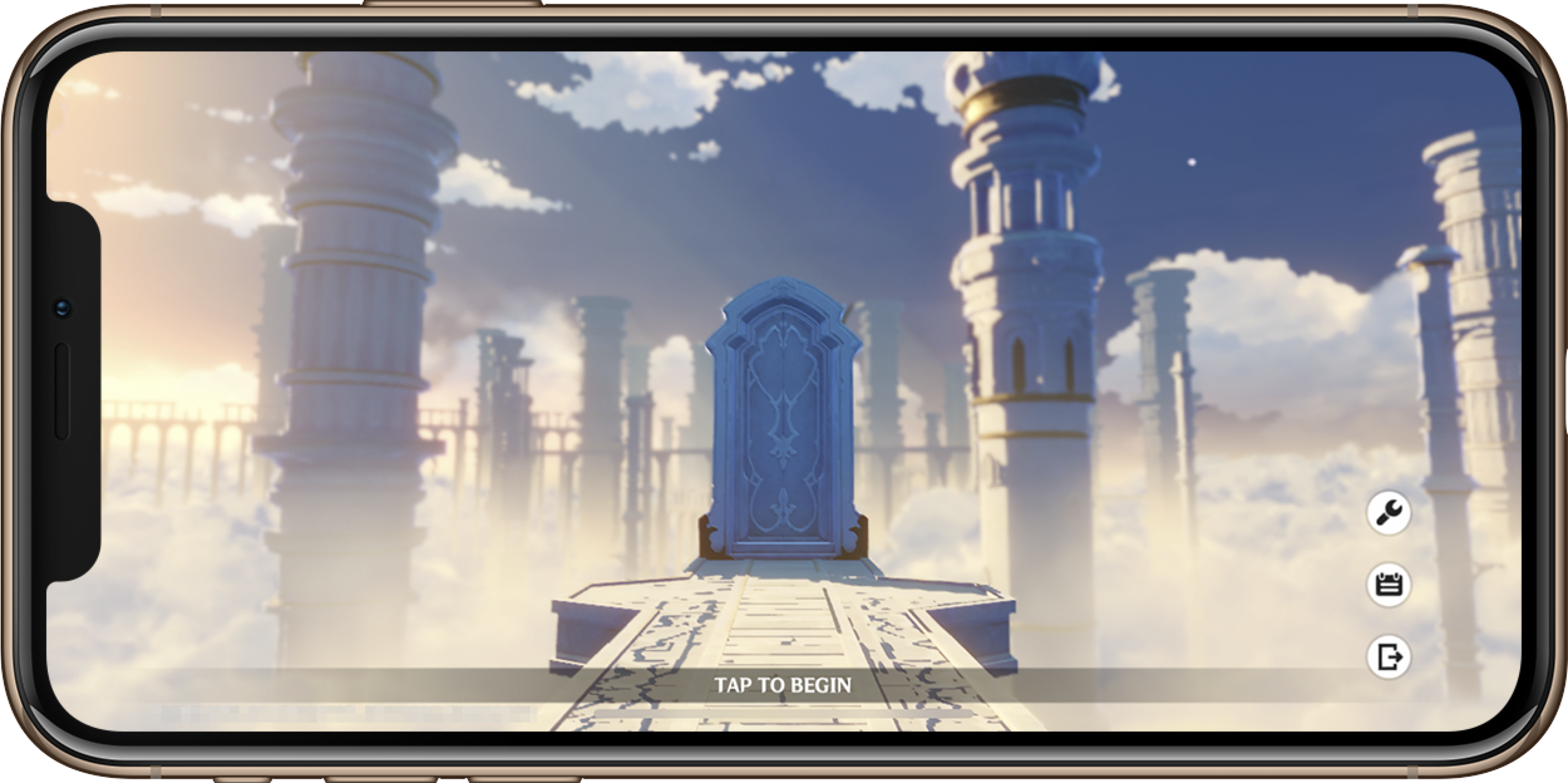
Genshin Impact features an immersive and interactive open-world map, which is a major draw for the player base. The game has the ability to transport the player into another world, and allows them to live vicariously through the eyes and footsteps of the Traveler. Every character is designed to be appealing, with their own personalities, gimmicks, motivations, and quirks. Because of this, there is something for every player. The wide variety of content that Genshin Impact offers – such as mini games, combat arenas, challenging mini boss fights, the Serenitea Pot, and more – also add to this notion. The game offers multiple hours of engagement and emotional motivators for players to keep playing. I estimate that I’ve spent over 1,000 hours playing since I started May of last year.
It does have areas which could use some UI improvement, such as the world map and setting panel. They can be made more functional and accessible. In addition, the gacha system could be optimized to be more rewarding for players.
Honkai Star Rail
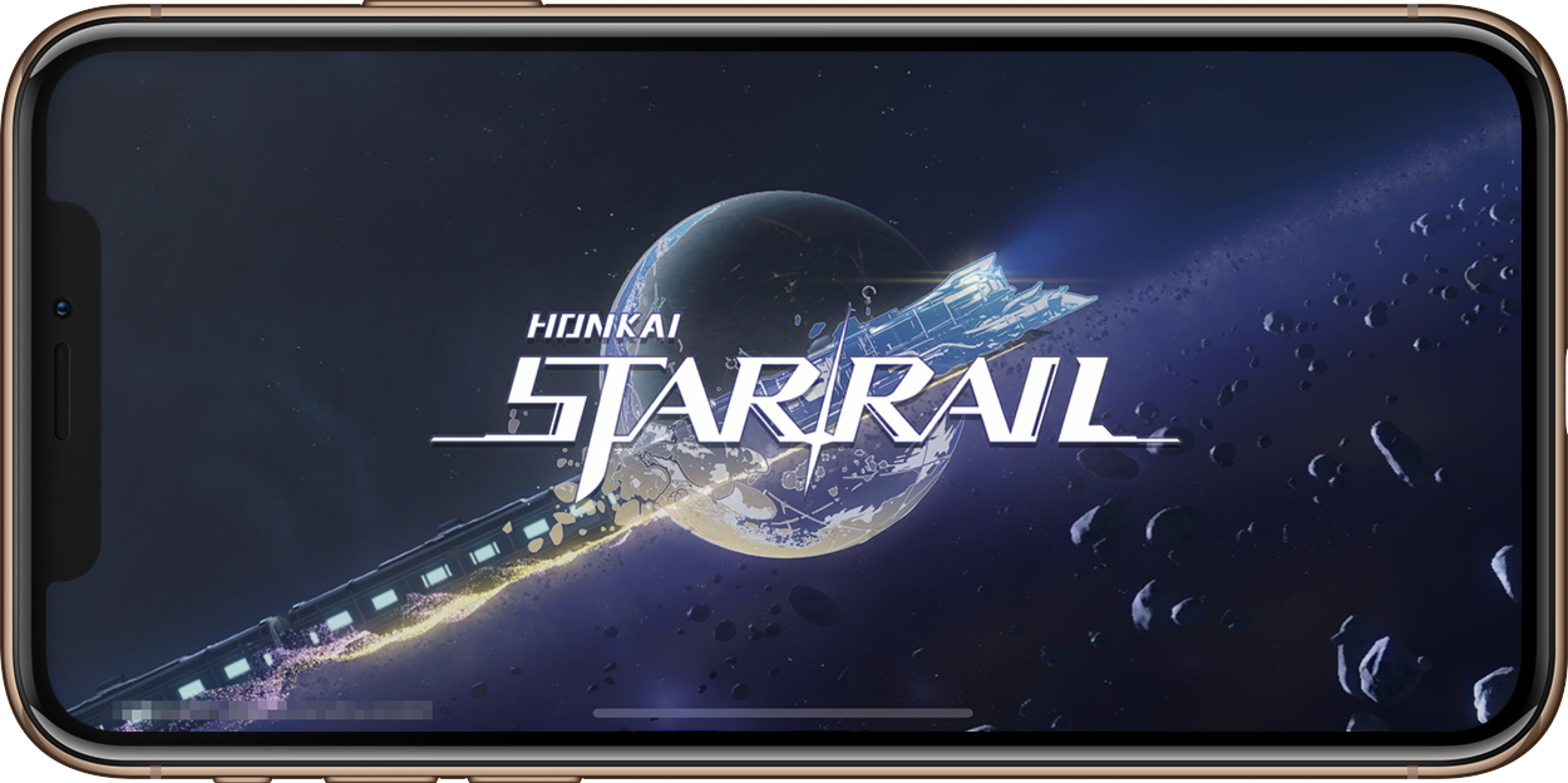
Honkai: Star Rail took a lot of Genshin Impact’s UI shortcomings , worked on fixes, and implemented them. This shows that they took player feedback into great consideration. Overall, I find it to be a more combat-based game rather than exploration-based. The character designs are appealing and the story is interesting, but I find it’s not as immersive as Genshin Impact. Since Honkai: Star Rail isn’t an open-world game, this is to be expected. I don’t find much fault with it, as it does offer many convenient aspects such as being able to autoplay through combat, as well as replay past limited events. These aspects enhance usability and accessibility. I also appreciate all the care given to the visuals, animations, cutscenes, and music.
A few nitpicks that I have is that the characters could be developed more so I could be more emotionally attached to them. This is an aspect from Genshin Impact that Honkai: Star Rail doesn’t have.
In Conclusion
After playing both games for many hours each, I find myself more emotionally invested in Genshin Impact due to its immersive nature. However, if I want to go through a few rounds of combat, which can prove challenging and engaging, I can play Honkai: Star Rail. The added convenience that Honkai: Star Rail offers through autoplay means I can multitask (and perhaps even play Genshin Impact simultaneously on my PC!).
Overall I enjoy both games, for different reasons. They both offer different play styles to players; this variety means there is something for every player. I think it’s wonderful that the designers and developers are taking player feedback into consideration by adding fixes in upcoming patch updates.
Downloadables
- Genshin Impact & Honkai: Star Rail UX Analysis: Download
 Neha Pasnoori | Blog
Leave a comment